
Blocking cellular stress protein may help ease Rett symptoms
Mouse study suggests targeting HSF1 pathway eases motor problems
Written by |
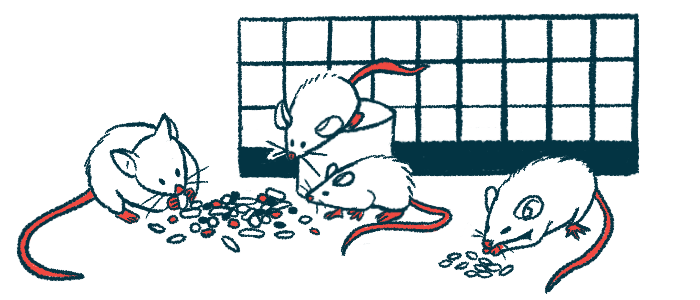




Blocking HSF1, a protein active during the cellular stress response, may be a novel therapeutic target for easing symptoms in Rett syndrome, a new study suggests.
Researchers found that an overactive cellular stress response driven by HSF1 appeared to worsen symptoms in Rett mice. Blocking the HSF1 pathway — which is shared and consistently disrupted in Rett patients with and without MECP2 gene mutations — eased motor problems, prevented obesity, and reduced other symptoms in Rett mice.
“This manuscript identifies [HSF1]-signaling as a novel therapeutic target and proposes a molecular mechanism by which cellular stress responses are regulated in Rett syndrome,” researchers wrote in the study, “Heat shock factor 1 signaling: A novel pathway implicated in Rett syndrome pathophysiology,” which was published in The Journal of Pharmacology and Experimental Therapeutics.

HSF1 the most consistently disrupted pathway
About 95% of Rett cases are caused by mutations in the MECP2 gene, which normally helps regulate the activity of other genes in brain cells. Rett diagnoses of about 5% of people are based on symptoms but don’t have MECP2 mutations. These cases are called atypical or MECP2-mutation-negative Rett.
Because MECP2 has such broad effects, scientists have struggled to identify which of the many gene changes seen in Rett patients actually drive the disease.
The researchers thought that comparing gene activity between typical Rett caused by MECP2 mutations and atypical Rett could help identify the changes most likely to actually cause disease. That’s because both groups share similar symptoms despite different genetic origins.
To that end, they studied postmortem brain tissue from six typical Rett patients with a specific mutation called R255X, five atypical Rett patients, and nine people without Rett.
Among the gene activity changes shared by both patient groups, the most consistently disrupted pathway involved heat shock factor 1, or HSF1.
HSF1 is a protein that acts as the body’s main sensor and responder to cellular stress. Normally, it’s inactive in cells but becomes active under stress, such as heat, inflammation, or oxidative damage, turning on genes that help cells survive, including those encoding so-called heat shock proteins.
The team found 781 genes with disrupted activity shared between typical and atypical Rett samples, and pathways connected to HSF1 were among the most affected.
To confirm this finding, the researchers measured activity of two heat shock protein genes, HSPA1A and HSPA6, in a larger group of 37 patient brain samples. Both were elevated overall, but the increase was stronger in patients with severe MECP2 mutations than in those with milder mutations.

Treated mice performed better on motor test
Using Rett mouse models, the team then tested whether increased HSF1 activity actually causes problems.
When mice with a milder MECP2 mutation (T158M) were given a drug that activated HSF1, they developed seizure-like symptoms within 15 minutes, and several died within eight hours of treatment. Separately, when mice were given a mild heat exposure to mimic fever, Rett mice showed a much larger and faster stress response than normal mice.
For example, in one brain region, a heat shock protein rose by 849 times in Rett model mice compared with 412 times in normal mice after four hours. Similar exaggerated responses were seen in patient-derived brain cells grown in the lab that carried the T158M mutation.
[The findings provide] a rationale that inhibiting this pathology may hold therapeutic potential in [Rett] and related disorders.
Because activating HSF1 worsened outcomes, mice were given a compound that blocks HSF1, which was mixed into their food. Compared with untreated Rett mice, treated mice performed better on a motor coordination and learning test called the rotarod. They also maintained a healthier body weight, avoiding obesity, and showed improvements in general health measures such as grooming and activity level, with reduced tremor.
The authors describe HSF1 signaling as “a novel therapeutic target,” adding that the findings provide “a rationale that inhibiting this pathology may hold therapeutic potential in [Rett] and related disorders.” The researchers note that further research is needed to confirm these findings in other Rett models and to understand exactly how blocking HSF1 produces these benefits.




Leave a comment
Fill in the required fields to post. Your email address will not be published.