
Partners team up to test Rett syndrome treatment in primates
Rett Syndrome Research Trust to fund studies of Shape gene therapy SHP-401
Written by |
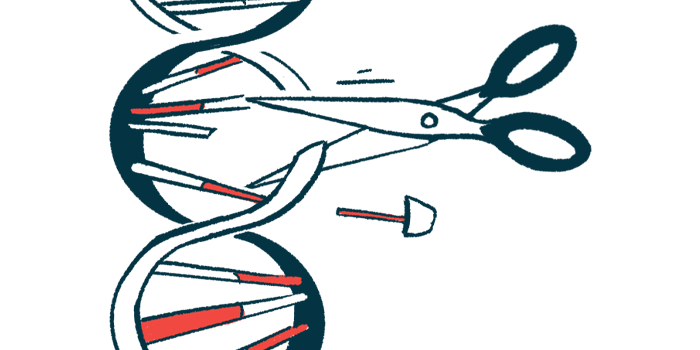




Shape Therapeutics and the Rett Syndrome Research Trust (RSRT) are teaming up to advance the development of SHP-401, Shape’s experimental one-time gene therapy for certain people with Rett syndrome.
RSRT will fund tests of SHP-401 in non-human primates to evaluate the therapy’s distribution in the body and effects on cells’ genetic material. The goal is to move SHP-401 closer to IND-enabling studies. An IND, short for investigational new drug application, is a formal request made to U.S. regulatory authorities asking for permission to begin clinical testing in people.
“The Shape team is excited to work with RSRT on advancing a precise RNA editing therapy for Rett syndrome,” Adrian Briggs, PhD, chief technology officer at Shape, said in a company press release.
Rett syndrome is caused by mutations in the MECP2 gene, which provides instructions to make the MeCP2 protein. Rett-causing mutations disrupt the function of this protein, impairing normal brain development and ultimately driving Rett symptoms. A specific MECP2 mutation known as R168X accounts for roughly one in 10 cases of the disease. SHP-401 aims to target this mutation.

Gene editing
When the MECP2 gene is read to produce MeCP2 protein, the genetic code is copied from a cell’s DNA into a temporary molecule called messenger RNA (mRNA), which is then used as a template for protein production. SHP-401 uses a small, human-engineered RNA molecule called a guide RNA (gRNA) to recruit a naturally occurring enzyme called adenosine deaminase acting on RNA (ADAR), which can alter the mRNA’s code.
By directing ADAR to alter the mRNA from the MECP2 gene, this one-time therapy is expected to correct the code in the mRNA, allowing a fully functional MeCP2 protein to be produced.
“RSRT was an early believer in the power of ADAR-mediated RNA editing,” said Monica Coenraads, RSRT’s CEO. “We are excited to now partner with Shape and hope to see this program advance to the clinic.”
In order to deliver its gene-editing machinery, SHP-401 uses a viral vector, a virus that’s been engineered to deliver therapeutic genetic material instead of causing a harmful infection. SHP-401’s vector is derived from adeno-associated virus (AAV), which is commonly used as a platform for gene therapy delivery because it’s easy to manipulate in a lab and generally doesn’t cause serious illness in people.
The AAV vector used for SHP-401 has been designed to be infused into the bloodstream and to pass through the blood-brain barrier, a protective cellular barrier that normally keeps viruses and toxins in the blood out of the brain.
Shape has conducted tests in a mouse model of Rett syndrome, where mice received a single infusion of ADAR-recruiting gRNAs targeting MECP2 into the bloodstream. The company said this approach achieved approximately 70% editing of the MECP2 R168X mutation throughout the brain, with no evidence of meaningful off-target editing effects. The widespread on-target RNA editing was accompanied by improvements in mobility and lifespan, with the risk of death being reduced by as much as 93%.
“Our unique AAV-delivered ADAR-based editing platform has shown incredible efficacy in mouse models of this devastating disease, and we are greatly looking forward to moving the program closer to clinic translation in partnership with RSRT,” Briggs said.



Kathy Bree
I can’t believe that scientists would use primates for testing.
I thought these archaic practices had stopped.
I would like to know others opinions on this.
Kathy Bree
I’m disappointed that non human primates are being used for testing.
I thought as humans we were better than this.